2021 Slang: 20 Popular Gen Z Words and Meanings
2021 slang refers to the informal words and phrases that became especially visible in American online culture during 2021. Terms such as Gen Z slang, TikTok slang, internet slang, viral expressions, and social media language helped people communicate humor, approval, disbelief, style, and emotion quickly. If you encountered phrases like “no cap,” “bussin’,” or “hits different” and wondered what everyone meant, this guide makes the language easier to follow. Having researched slang trends and their changing usage, I’ll also separate expressions that were genuinely associated with 2021 from older terms that simply became mainstream during that period.
The interesting part is that 2021 slang wasn’t created entirely in 2021. Many expressions had histories in Black culture, AAVE, hip-hop, LGBTQ+ communities, drag culture, or earlier internet communities before Gen Z popularized them more broadly. TikTok, Twitter, Instagram, memes, and gaming accelerated that spread.
2021 Slang Quick Reference Table
| 2021 slang term | Meaning | Typical context |
|---|---|---|
| Bussin’ | Extremely good, especially food | Food/social media |
| Cap | A lie or exaggeration | Texting/social media |
| No cap | Seriously; no lie | Casual conversation |
| Bet | Okay, agreed, deal | Texting |
| Sus | Suspicious | Gaming/social media |
| Drip | Stylish clothing or appearance | Fashion |
| Slaps | Excellent or very enjoyable | Music/food |
| Hits different | Feels unusually meaningful | Reactions |
| Mid | Average or disappointing | Reviews/social media |
| Sheesh | Amazement or admiration | Reactions |
| Rent free | Constantly occupying someone’s thoughts | Memes |
| Ghosting | Suddenly stopping communication | Dating/texting |
| Main character | Someone acting as the center of their story | TikTok/social media |
| Glow up | Major positive transformation | Appearance/lifestyle |
| Salty | Annoyed or bitter | Casual conversation |
| Low-key | Subtly or privately | Texting |
| High-key | Openly or strongly | Texting/social media |
| Flex | Show off | Social media |
| Big mood | Extremely relatable feeling | Memes |
| Cancelled | Rejected or criticized online | Social media |
The strongest cluster around 2021 slang combines meaning, tone, context, platform, and audience. SlangLoom uses a similar reference-table approach and distinguishes online from offline usage and current versus declining popularity.
These terms should not all be treated as inventions of Gen Z. Dictionary.com, for example, traces several expressions to substantially older linguistic traditions and explains how social media helped move them into mainstream youth vocabulary.
20 Popular 2021 Slang Terms
Bussin
“Bussin’” means something is extremely good, particularly delicious food. You might hear, “These tacos are bussin’.” The term became strongly associated with online Gen Z culture, although Dictionary.com notes its connection to African American Vernacular English and cautions against treating every popularized expression as newly invented by Gen Z.
Cap
“Cap” means a lie, exaggeration, or false claim. If someone tells you an unbelievable story, replying “That’s cap” means you don’t believe them. “No cap” developed as the contrasting expression meaning honesty or “for real.” These terms became especially recognizable across social media and casual digital conversation.
No Cap
“No cap” means “I’m telling the truth,” “seriously,” or “no lie.” Someone might say, “That was the best burger I’ve ever had, no cap.” Although strongly associated with Gen Z online speech, the underlying expression has older roots in Black slang and predates TikTok by decades.
Bet
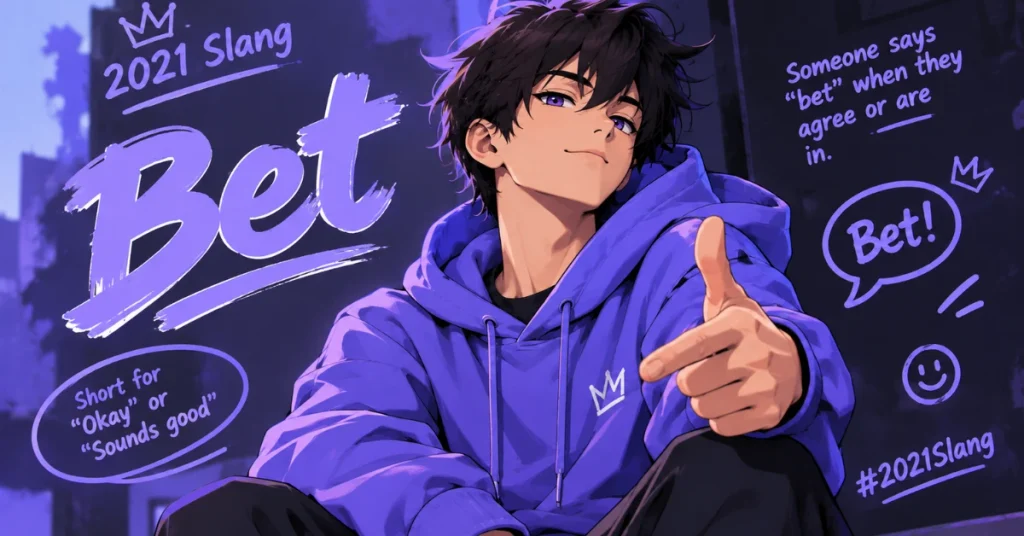
“Bet” is a casual way to express agreement, approval, or acceptance. If a friend texts, “Meet me at 7?” answering “Bet” essentially means “Okay” or “Deal.” Dictionary.com notes that this usage likely originated in Black slang and can also express doubt or disbelief depending on context.
Sus
“Sus” is short for “suspicious” or “suspect.” It became especially recognizable through gaming culture, particularly conversations surrounding Among Us, before spreading more broadly through memes and social media. Saying “That’s sus” usually signals that someone’s behavior, explanation, or situation seems questionable or strange.
Drip
“Drip” refers to someone’s fashionable clothing, appearance, or overall style. Calling someone’s outfit “drip” or saying “You’ve got drip” is generally complimentary. Dictionary.com notes that the modern positive sense differs from an older usage and discusses competing explanations for its origins, including hip-hop culture.
Slaps
When something “slaps,” it is exceptionally good, enjoyable, or impressive. The expression is especially common for music: “This song slaps.” It can also describe food or another enjoyable experience. Although modern users associate it with internet culture, the word has much older slang history than its 2021 popularity might suggest.
Hits Different
“Hits different” describes something that produces an unusually strong emotional reaction or feels better or more meaningful than expected. For example, “This song hits different at midnight.” The expression spread widely through social media and became a flexible way to describe music, memories, relationships, food, and emotional experiences.
Mid
“Mid” means average, mediocre, or disappointing. If someone says, “The movie was mid,” they aren’t necessarily saying it was terrible; they’re saying it failed to impress them. The term became particularly useful online because one short word can communicate a blunt judgment about quality.
Sheesh
“Sheesh” is an expressive reaction used to show surprise, admiration, disbelief, or amazement. Depending on tone, it can respond to an impressive outfit, expensive car, athletic performance, or unexpected situation. Its popularity grew through internet culture, memes, and short-form video, where exaggerated reactions became part of the entertainment.
Rent Free
If something “lives rent free in your head,” you cannot stop thinking about it. The phrase is usually playful rather than literal. A memorable song, embarrassing moment, celebrity, argument, or funny meme might “live rent free” in someone’s mind because it keeps returning to their thoughts.
Ghosting
“Ghosting” means abruptly ending communication without explanation. It became particularly common when discussing dating, friendships, texting, and online relationships. Someone who stops responding to messages and disappears from a conversation may be described as having “ghosted” another person. The term remains widely recognizable beyond its 2021 context.
Main Character
“Main character” grew into a social-media expression connected to the idea of behaving as though you’re the central figure in your own story. TikTok helped popularize videos built around “main character energy,” often involving travel, music, fashion, confidence, or cinematic everyday moments.
Glow Up
A “glow up” means a noticeable positive transformation, often involving appearance, confidence, lifestyle, or personal development. Before-and-after photographs and videos helped make the expression especially popular online. Unlike some short-lived expressions, “glow up” has remained broadly understandable because the underlying concept is immediately intuitive.
Salty
Being “salty” means being annoyed, bitter, resentful, or irritated, often because something did not go your way. A person who loses a game and complains afterward might be called salty. The term was already established before 2021, demonstrating that popular 2021 slang often involved renewed visibility rather than brand-new invention.
Lowkey
“Low-key” describes something subtle, restrained, private, or not openly emphasized. Someone might say, “I’m low-key excited,” meaning they are genuinely excited but aren’t making a huge display of it. The expression can also describe a quiet preference or feeling that someone isn’t emphasizing publicly.
Highkey
“High-key” works almost as the opposite of “low-key.” It emphasizes that a person openly or strongly feels something. For example, “I high-key love this show” means the speaker is not hiding or minimizing their enthusiasm. Together, low-key and high-key provide useful ways to express degrees of emotional intensity.
Flex
To “flex” means to show off an achievement, possession, appearance, skill, or status. Posting a luxury watch with the intention of emphasizing its value could be described as flexing. The word can be playful, admiring, or critical depending on the speaker’s tone and the situation.
Big Mood
“Big mood” means that something is extremely relatable. If someone posts a picture of sleeping all weekend and you respond “Big mood,” you’re saying the image perfectly represents how you feel. The expression became closely associated with memes and reaction-based internet communication.
Cancelled
“Cancelled” describes a person, brand, celebrity, or organization facing strong online criticism or social rejection because of perceived harmful, offensive, or unacceptable behavior. “Cancel culture” became a major cultural discussion around the same period. The expression can be serious, humorous, or exaggerated depending on the context.
2021 Slang Generational Slang Comparison
Gen Z
Gen Z slang is strongly associated with fast-moving internet culture, memes, TikTok, gaming, and social media. However, calling every popular expression “Gen Z slang” can erase its earlier history. Several terms popular among Gen Z originated in Black, LGBTQ+, drag, hip-hop, or other communities.
Millennials
Millennial slang overlaps considerably with Gen Z language because online vocabulary doesn’t stop at a generational boundary. Terms such as “salty,” “low-key,” “ghosting,” and “flex” can be understood by multiple generations. The difference is often less about ownership of vocabulary and more about when and where expressions became popular.
Older Generations
Older generations may recognize many 2021 slang expressions without regularly using them. The internet accelerated language change so dramatically that vocabulary can move from a niche community to mainstream culture within months. This rapid movement explains why some expressions feel suddenly familiar even when their origins are much older.
How to Use 2021 Slang Naturally Without Sounding Awkward
Tone Matching
The safest way to use 2021 slang is to match the tone of the conversation. Words such as “bet,” “no cap,” “big mood,” and “hits different” work naturally in casual messages, jokes, comments, and conversations with people who understand the vocabulary. Forcing several expressions into one sentence usually sounds unnatural.
Context Awareness
Context matters because slang can change meaning according to the speaker, platform, community, and situation. “Bet,” for example, can express agreement or disbelief, while “bussin’” has a particularly strong association with describing food. Understanding the surrounding conversation is more important than memorizing a dictionary definition.
Social Setting Awareness
Most 2021 slang belongs in informal communication rather than professional documents, academic assignments, business emails, or formal presentations. Knowing when not to use slang is part of understanding it. A phrase can sound funny and natural in a group chat while appearing inappropriate in a workplace message.
Common 2021 Slang Mistakes
Using Outdated Slang
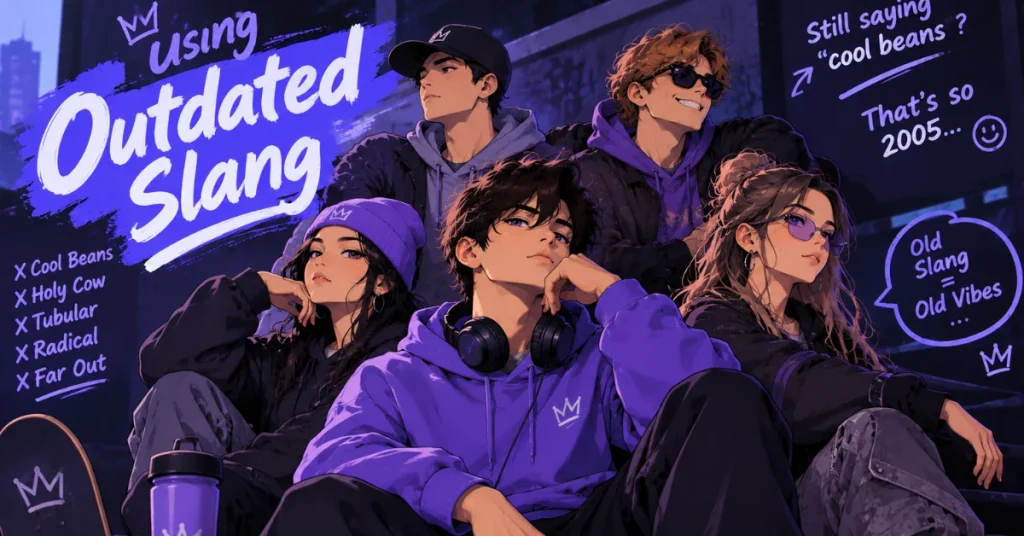
Slang changes quickly, particularly online. A word that was genuinely popular in 2021 may sound dated several years later. That does not make the expression meaningless; it simply changes its social effect. Some terms become permanent vocabulary, while others become nostalgic markers of a particular internet era.
Using Slang in Formal Writing
Informal expressions should generally stay out of academic essays, professional reports, job applications, and formal business communication. Even perfectly understandable slang can make a serious document appear less polished. Standard English is usually the safer choice when clarity, professionalism, and formality are expected.
Overusing Slang
Using too many slang terms together can make a sentence difficult to understand and may sound performative. Natural speakers usually choose an expression because it fits the moment rather than because they want to demonstrate how many slang words they know. One well-placed phrase is often more effective than five.
2021 Slang FAQs
What are Gen Z slang terms?
Common Gen Z slang includes words like rizz, no cap, bet, slay, sus, bussin, lowkey, highkey, and vibe.
What are 2020 slang words?
Popular 2020-era slang includes simp, sus, poggers, ghosting, cap, no cap, and yeet.
What’s up Gen Z slang?
Gen Z may say “What’s good?” “What’s poppin’?” “What’s the vibe?” or simply “Wassup?”
What is yes in Gen Z slang?
Gen Z can use “bet,” “yeah,” “yup,” “yessir,” “facts,” or “for sure” to express agreement.

Daniel Parker is a writer and language enthusiast with a passion for modern slang, internet culture, and the way people communicate online.
As the creator and contributor at posmeaningslang.com, Daniel focuses on making slang words, phrases, abbreviations, and online expressions easier to understand. His goal is to provide clear definitions, useful examples, and simple explanations that help readers understand the language they encounter every day.
Daniel enjoys exploring how language evolves across social media, texting, gaming, and online communities. He believes that understanding modern slang isn’t just about knowing words—it’s about understanding the context and culture behind them.
Through posmeaningslang.com, Daniel aims to create a helpful and easy-to-use resource for anyone looking to understand today’s slang and internet language.
Areas of Interest: Slang • Internet Language • Social Media • Modern Communication • Language & Culture