
Fashion Slang: 50+ Trendy Terms, Meanings & Examples
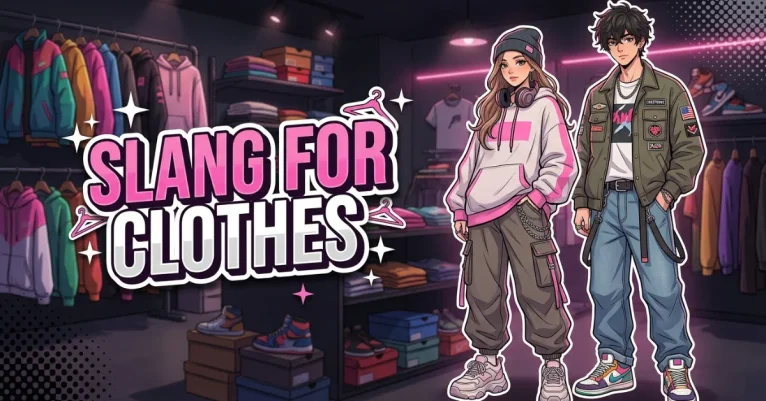
Fashion slang is the informal language people use to talk about clothes, outfits, style, and appearance. If you’ve ever heard someone call an outfit “drip,” “fire,” “clean,” or a “fit,” you’re already hearing fashion slang in action. These expressions move quickly through TikTok, Instagram, streetwear communities, and everyday American conversation, so keeping up can feel like learning a constantly changing language.
After researching current fashion vocabulary and comparing how these expressions are actually used, I’ve found that context matters just as much as the definition. A “clean fit” isn’t necessarily “drip,” and “mid” isn’t the same as terrible. This guide breaks down the most useful terms, their meanings, examples, and the situations where they sound natural.
Why Fashion Slang Actually Matters (Even If You Think It’s Silly)
Fashion slang isn’t merely internet decoration. It gives people a fast way to describe personal style, clothing, aesthetics, streetwear, confidence, and overall appearance without using a long explanation. Terms such as “drip,” “fit,” “clean,” and “fire” can communicate approval or criticism almost instantly.
It also matters because fashion conversations increasingly happen through TikTok, Instagram, Pinterest, outfit posts, product descriptions, and creator content. Knowing the vocabulary helps you understand what people mean when they discuss a look, recommend clothing, or comment on an OOTD.
The Terms That Actually Confused Me at First

“The Fit”
In fashion slang, fit usually means an entire outfit rather than the physical way clothing fits your body. Someone asking “What’s the fit today?” is asking what you’re wearing. You may also see “fit check,” a phrase used when people show or evaluate an outfit online.
“Drip”
Drip describes an especially stylish or eye-catching appearance, usually involving clothing and accessories. Calling someone’s outfit “drippy” or saying “you’ve got drip” is generally praise. The term is strongly associated with contemporary streetwear, music culture, social media, and fashion-focused conversations. “Fire” or “Straight Fire”
When someone says an outfit is fire, they’re saying it looks exceptionally good, impressive, or exciting. “Straight fire” intensifies the compliment. For example, “Those sneakers are fire” means the speaker thinks the shoes look especially stylish or desirable.
“Clean”
A clean fit usually means an outfit looks polished, simple, coordinated, and intentional. It doesn’t necessarily mean flashy or expensive. A crisp white shirt, well-fitting jeans, and understated sneakers could easily be described as a clean look.
“Mid”
Mid means average, ordinary, or disappointing compared with expectations. If someone calls an outfit “mid,” they’re not necessarily saying it is terrible. They’re suggesting that the look doesn’t stand out or impress them very much. It is often casual or mildly critical slang.
“Aesthetic”
An aesthetic is a recognizable visual style or overall vibe. In fashion conversations, people may talk about a Y2K aesthetic, cottagecore aesthetic, dark-academia aesthetic, or minimalist aesthetic. Unlike “fit,” aesthetic often describes a broader style identity rather than one outfit.
“Capsule Wardrobe”
A capsule wardrobe is a small, coordinated collection of clothing designed so that pieces can be mixed and matched easily. It is more accurately fashion vocabulary than pure slang, but it appears frequently in modern style discussions because it describes a practical approach to dressing.
“Thrift Flip”
A thrift flip involves taking a secondhand clothing item and modifying it into something new or more fashionable. The changes might include cutting, dyeing, patching, tailoring, or redesigning. The phrase is particularly associated with DIY fashion and social-media creator culture.
What does Fashion Mean?
Fashion is the changing way people express themselves through clothing, accessories, appearance, and style. It can reflect personal taste, cultural identity, social trends, historical periods, and creative expression. That broad meaning explains why fashion slang can describe everything from a specific garment to someone’s entire visual identity.
Fashion vocabulary also changes with culture. Older expressions such as threads, duds, clobber, and togs can coexist with newer terms such as drip, fit check, OOTD, and fire fits. The language surrounding clothing therefore gives us a useful snapshot of how style itself changes over time.
Slang Words for Fashion
Here are some of the most useful fashion-related slang and informal style terms found across the competing resources:
| Term | Meaning | Example |
| Drip | Impressive personal style | “His drip is crazy.” |
| Fit | Outfit | “I like your fit.” |
| Threads | Clothes | “Those are fresh threads.” |
| Gear | Clothing or accessories | “Nice gear.” |
| Duds | Clothes, often unattractive or outdated | “Those old duds need replacing.” |
| Get-up | Outfit or particular look | “That’s a wild get-up.” |
| Rags | Old or worn clothes | “He showed up in old rags.” |
| Clobber | Clothing or fashion items | “Check out my new clobber.” |
| Togs | Clothing; especially associated with Australia/New Zealand | “I packed my beach togs.” |
| Dapper duds | Stylish clothing | “He’s wearing some dapper duds.” |
| Fresh threads | New or fashionable clothing | “She bought fresh threads.” |
| Fire fits | Extremely stylish outfits | “Those are fire fits.” |
| Fly gear | Stylish clothing | “He’s got some fly gear.” |
| Kicks | Shoes or sneakers | “Check out my new kicks.” |
| Swag | Cool style or confident manner | “He’s got serious swag.” |
| Luxe | Luxurious or high-end | “That jacket has a luxe look.” |
| Fleek | Perfectly styled | “Her brows are on fleek.” |
| Glam | Glamorous style | “She went full glam.” |
| Y2K | Late-1990s/early-2000s-inspired style | “That outfit is pure Y2K.” |
| Preppy | Polished collegiate-inspired style | “He’s wearing a preppy fit.” |
| Boho | Bohemian-inspired style | “She loves a boho look.” |
| Edgy | Bold or unconventional style | “The leather jacket gives it an edgy vibe.” |
| Crisp | Very clean and neat | “That shirt looks crisp.” |
| Fly | Cool or stylish | “Those shoes are fly.” |
| Sleek | Smooth, refined, streamlined | “That’s a sleek outfit.” |
| Trendy | Current and fashionable | “Those jeans are trendy.” |
The first group comes directly from the current competing pages, while several terms such as drip, fit check, serving, glow-up, and snatched are also reflected in current 2026 descriptions of fashion and appearance slang.
Use of Fashion Slang in Example Sentences
The easiest way to understand fashion slang is to see it in context. For example: “That fit is fire” means the outfit looks excellent, while “Your drip is crazy” praises someone’s overall style. “Check out my new kicks” refers to shoes, and “She went full glam” describes a noticeably glamorous appearance.
Social media adds another layer. “Fit check” can introduce an outfit reveal, while OOTD means “Outfit of the Day.” Current slang guides also identify “serving,” “snatched,” “glow-up,” and “drip” as appearance-related language used in online conversations.
My Personal Mistakes Learning This Stuff

One of the easiest mistakes is assuming every fashionable word means exactly the same thing. Drip, clean, fire, fly, swag, and trendy overlap, but their emotional tone differs. “Clean” can suggest polished simplicity, while “drip” usually feels more like enthusiastic praise for a distinctive look.
Another mistake is treating slang as permanent vocabulary. Fashion language moves quickly because creators, celebrities, communities, and social platforms continually introduce or revive expressions. A term that felt current a few years ago can sound dated, ironic, or overly forced today.
Real Examples From My Own Shopping and Selling Experience
Imagine writing an online clothing description. A minimalist blazer might naturally be described as clean, crisp, or sleek, while colorful sneakers and statement accessories could better fit drip. Calling every item “fire” makes the language less meaningful because the compliment loses its contrast.
The same principle works when complimenting a friend. “Nice outfit” is straightforward, “your fit is clean” feels more style-aware, and “that drip is crazy” is much more energetic. The best expression depends on the outfit, relationship, platform, and tone.
Common Mistakes People Make With Fashion Slang

The biggest mistake is forcing slang into situations where it doesn’t belong. A professional email doesn’t need “the fit is giving,” and a serious product description may be clearer with ordinary fashion terminology. Slang works best when the audience already understands the cultural context.
Another mistake is confusing slang with formal fashion terminology. Silhouette, fabric weight, tailoring, garment construction, and textile composition have technical meanings that shouldn’t be replaced with words such as drip or fire. Good fashion writing knows when to use casual language and when precision matters.
FAQ’s
What is fashion slang?
Fashion slang is casual language used to describe clothing, style, trends, and looks.
What is Gen Z slang for fashion?
Gen Z may use words like fit, drip, slay, fire, and serve to describe fashionable outfits.
What does “fit” mean in fashion slang?
“Fit” is short for outfit and refers to what someone is wearing.
What does “drip” mean in fashion?
“Drip” means stylish or fashionable clothing and accessories.
What does “slay” mean in fashion?
“Slay” means looking exceptionally stylish, attractive, or confident.

Daniel Parker is a writer and language enthusiast with a passion for modern slang, internet culture, and the way people communicate online.
As the creator and contributor at posmeaningslang.com, Daniel focuses on making slang words, phrases, abbreviations, and online expressions easier to understand. His goal is to provide clear definitions, useful examples, and simple explanations that help readers understand the language they encounter every day.
Daniel enjoys exploring how language evolves across social media, texting, gaming, and online communities. He believes that understanding modern slang isn’t just about knowing words—it’s about understanding the context and culture behind them.
Through posmeaningslang.com, Daniel aims to create a helpful and easy-to-use resource for anyone looking to understand today’s slang and internet language.
Areas of Interest: Slang • Internet Language • Social Media • Modern Communication • Language & Culture