Slang for Clothes: 30+ Cool, Funny & Trendy Terms
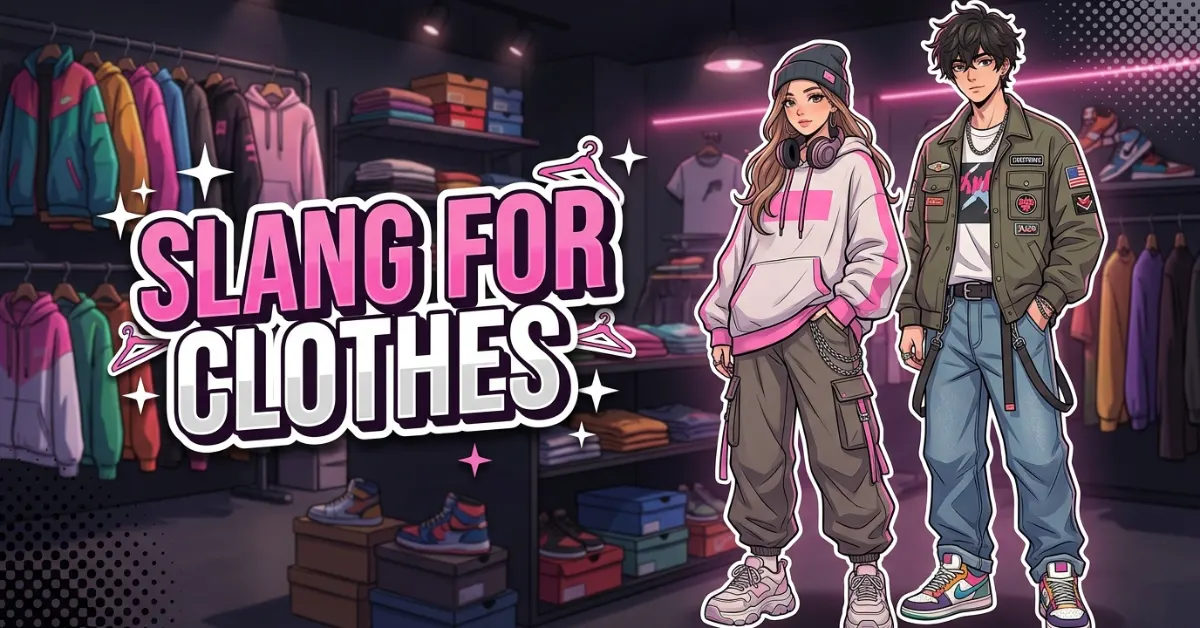
“Slang for clothes” usually means casual words such as threads, duds, gear, fit, and drip that people use instead of simply saying clothing. As someone who follows modern language and how fashion vocabulary changes across generations, I’ve found that the right term depends heavily on context, culture, age, and platform. Whether you are trying to understand a TikTok caption, compliment a friend’s outfit, or sound natural in everyday American English, clothing slang can feel confusing at first. This guide breaks down the most useful terms, from classic wardrobe slang to current Gen Z expressions, so you can recognize the meaning and use each word naturally.
What Does Slang for Clothes Actually Mean
Slang for clothes refers to informal language used for clothing, garments, outfits, attire, and fashion pieces. Unlike formal terms, these expressions often add personality, humor, attitude, or cultural flavor. Saying “nice threads” sounds more relaxed than “nice clothing,” while “that fit is fire” gives a modern social-media feel.
The important thing is that clothing slang does not always mean exactly the same thing. Threads can mean clothes generally, while fit usually means a complete outfit and drip praises someone’s stylish appearance. Understanding those distinctions helps you avoid sounding awkward and makes your fashion vocabulary feel much more natural.
The Most Common Slang Words for Clothes
Some clothing slang has stayed recognizable for decades. Threads, duds, gear, garb, togs, and rags can all refer to clothing, but they carry different tones. Some sound casual, some old-fashioned, and some are strongly associated with particular regions or activities.
If you’re speaking with American friends, threads is one of the safest casual choices for clothes generally. For a particular outfit, however, fit is more precise. Meanwhile, gear often connects clothing with an activity, while duds and rags can sound humorous, nostalgic, or slightly negative depending on the sentence.
Threads
Threads is a classic slang term for clothes and remains easy to understand in casual American English. It can describe someone’s wardrobe or what they are currently wearing. For example, “Those are some nice threads” is a friendly way to compliment someone’s clothing without sounding overly formal or technical.
Duds
Duds is an informal and somewhat old-school word for clothes. It can sound playful or nostalgic, especially when someone talks about getting dressed or changing clothes. “Grab your duds” feels much more conversational than “collect your garments,” which is exactly why the term survives in casual speech.
Gear
Gear can mean clothing connected with an activity, such as workout gear, hiking gear, rain gear, or sports gear. It can also refer more generally to someone’s clothing. The key is context: gear often suggests practical clothing or equipment rather than simply a fashionable wardrobe.
Garb
Garb refers to clothing or a distinctive style of dress and often has a more descriptive, theatrical, historical, or humorous tone. You might hear “traditional garb” or “medieval garb.” It is understandable in American English, but it is less casual than everyday words such as clothes, threads, or gear.
Togs
Togs is an informal term for clothes, but American readers may encounter it less frequently than threads or duds. It is especially associated with British, Australian, and New Zealand usage and can refer to specific clothing such as swimwear. Because of that regional connection, context matters when interpreting it.
Rags
Rags commonly suggests old, worn, shabby, or inexpensive clothing, although the tone can change in creative or cultural contexts. Calling ordinary clothes “rags” may sound humorous or dismissive. Because of its negative undertone, it is usually better for playful conversation than polite compliments about someone’s wardrobe.
Popular Gen Z Slang for Clothes
Modern clothing slang is heavily shaped by TikTok, Instagram, group chats, streetwear, sneakers, and online fashion communities. Terms such as fit, drip, fresh, heat, clean, and steeze focus more on how an outfit looks than on clothing as a category.
One useful distinction is that modern slang often describes the effect of clothing. Fit identifies the outfit, drip praises standout style, fresh suggests a clean or impressive appearance, and heat can describe a particularly desirable fashion piece. These terms are conversational rather than formal.
Slang for Clothes in American English
In American English, clothing slang ranges from older expressions such as threads and duds to newer social-media vocabulary such as fit and drip. The meaning can also shift depending on whether someone is discussing an entire wardrobe, one outfit, sneakers, or overall personal style.
For everyday American conversation, threads is a straightforward slang choice for clothing, while fit is better when you mean a particular outfit. Kicks refers specifically to shoes or sneakers, and drip usually describes fashionable style rather than functioning as a simple synonym for every item of clothing.
Funny and Old School Slang for Clothes
Older clothing slang can be surprisingly expressive. Words such as duds, rags, togs, garb, and glad rags can make a sentence feel humorous, nostalgic, theatrical, or intentionally old-fashioned. They are useful when you want personality instead of neutral dictionary language.
Imagine someone opening an old closet and saying, “Time to put on my glad rags.” The phrase instantly feels playful and slightly vintage. That is the appeal of old-school clothing slang: even when a term is no longer the trendiest option, it can add character to storytelling, jokes, captions, or dialogue.
Quick Comparison of Slang for Clothes
| Slang | Meaning | Tone | Example |
| Threads | Clothes generally | Casual | “Nice threads!” |
| Duds | Clothes | Old-school/playful | “Grab your duds.” |
| Gear | Clothing or activity-related equipment | Casual | “Nice workout gear.” |
| Garb | Clothing or distinctive dress | Descriptive | “Traditional garb.” |
| Togs | Clothes, often regional/sport-related | Informal | “Pack your swimming togs.” |
| Rags | Worn or old clothes | Humorous/negative | “Those old rags.” |
| Fit | A complete outfit | Modern/casual | “Love your fit.” |
| Drip | Stylish appearance/clothing | Hype | “Your drip is crazy.” |
| Kicks | Shoes/sneakers | Casual | “Those kicks are clean.” |
| Fresh | Stylish, clean appearance | Positive | “Those are fresh.” |
| Heat | Very fashionable item/look | Hype | “Those shoes are heat.” |
| Steeze | Effortless style | Modern | “You’ve got steeze.” |
The easiest rule is simple: use threads when you mean clothes generally, fit when you mean an outfit, drip when praising style, and kicks when talking specifically about sneakers or shoes. That small distinction makes clothing slang much easier to understand.
FAQ Section
What is a cool word for clothes?
“Threads” is a cool, casual slang word for clothes.
What is slang for cool clothes?
Common slang includes drip, fire, fresh, heat, and fits.
What are the other names for clothes?
Other names include threads, duds, gear, garb, togs, rags, and apparel.
What do Gen Z call clothes?
Gen Z commonly uses fit, fits, drip, threads, and gear for clothes or outfits.

Daniel Parker is a writer and language enthusiast with a passion for modern slang, internet culture, and the way people communicate online.
As the creator and contributor at posmeaningslang.com, Daniel focuses on making slang words, phrases, abbreviations, and online expressions easier to understand. His goal is to provide clear definitions, useful examples, and simple explanations that help readers understand the language they encounter every day.
Daniel enjoys exploring how language evolves across social media, texting, gaming, and online communities. He believes that understanding modern slang isn’t just about knowing words—it’s about understanding the context and culture behind them.
Through posmeaningslang.com, Daniel aims to create a helpful and easy-to-use resource for anyone looking to understand today’s slang and internet language.
Areas of Interest: Slang • Internet Language • Social Media • Modern Communication • Language & Culture